




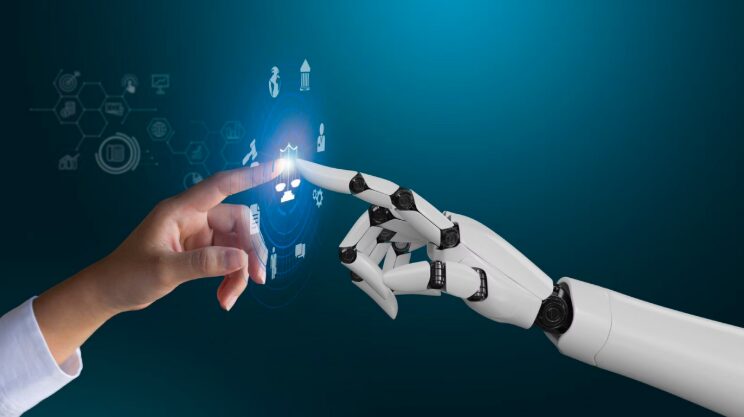
Artificial Intelligence, commonly known as AI, is becoming an important part of modern life. From smartphones and smart home devices to healthcare and transportation, AI is changing how people live, work, and communicate. What once seemed like science fiction is now becoming reality as AI continues to improve and expand into different industries.
The future of artificial intelligence in everyday life looks even more advanced and exciting. AI is expected to make daily tasks easier, improve efficiency, increase safety, and provide more personalized experiences. As technology develops, people around the world will rely on AI for both simple and complex activities.
What Is Artificial Intelligence?
Artificial Intelligence refers to computer systems and machines that can perform tasks that normally require human intelligence. These tasks include learning, problem-solving, decision-making, speech recognition, and understanding language.
AI systems use data and algorithms to learn patterns and improve performance over time. Popular examples of AI include virtual assistants, recommendation systems, chatbots, facial recognition, and self-driving technology.
AI in Smart Homes
One of the biggest areas where AI is growing is smart home technology. AI-powered devices are making homes more convenient, secure, and energy-efficient.
Smart home systems can:
- Control lights and temperature automatically
- Monitor home security cameras
- Manage household appliances
- Respond to voice commands
- Save energy through smart adjustments
Devices like smart speakers and AI assistants help people manage their daily routines more efficiently. In the future, smart homes may become even more automated, learning the habits and preferences of homeowners.
The Role of AI in Healthcare
AI is transforming the healthcare industry in many ways. Doctors and hospitals are using AI tools to improve diagnosis, treatment, and patient care.
Some important uses of AI in healthcare include:
| AI Application | Benefits |
|---|---|
| Medical Imaging | Detects diseases earlier |
| Virtual Health Assistants | Provides quick support to patients |
| Predictive Analytics | Helps prevent health complications |
| Robotic Surgery | Improves precision during operations |
| Drug Development | Speeds up research and testing |
In the future, AI may help doctors provide more personalized treatments and improve healthcare access for people living in remote areas.
AI and Transportation
Transportation is another industry heavily influenced by artificial intelligence. AI-powered systems are improving traffic management, navigation, and vehicle safety.
Self-driving cars are one of the most talked-about AI technologies. These vehicles use sensors, cameras, and machine learning to operate with minimal human control. Although fully autonomous cars are still developing, many vehicles already use AI-powered features such as:
- Automatic parking
- Lane assistance
- Collision warnings
- Adaptive cruise control
AI can also help reduce traffic congestion and improve fuel efficiency in the future.
Artificial Intelligence in Education
Education is changing rapidly because of technology, and AI is playing a major role in this transformation. AI-powered educational tools can create personalized learning experiences for students.
Benefits of AI in education include:
- Customized learning plans
- Faster grading systems
- Virtual tutoring assistants
- Interactive learning platforms
- Better access to online education
AI can help students learn at their own pace and give teachers more time to focus on important classroom activities.
AI in Shopping and Entertainment
Artificial intelligence is already shaping how people shop and enjoy entertainment online. Streaming platforms and online stores use AI to recommend products, movies, music, and shows based on user preferences.
Examples of AI in entertainment and shopping include:
- Personalized product recommendations
- AI-generated playlists
- Virtual shopping assistants
- Targeted advertisements
- Content suggestions on streaming platforms
Future AI systems may provide even more accurate and personalized experiences for consumers.
How AI Is Changing the Workplace
Many businesses are using AI to improve productivity and automate repetitive tasks. AI tools help companies save time, reduce errors, and analyze large amounts of data quickly.
AI is commonly used in workplaces for:
- Customer support chatbots
- Data analysis
- Scheduling and task management
- Fraud detection
- Marketing automation
While some jobs may change because of automation, AI is also expected to create new career opportunities in technology and innovation.
The Benefits of Artificial Intelligence
Artificial intelligence offers many advantages that can improve everyday life.
Increased Efficiency
AI systems can complete tasks faster and more accurately than humans in many situations.
Better Decision-Making
AI analyzes large amounts of information to help businesses and individuals make informed decisions.
Improved Convenience
From virtual assistants to smart devices, AI makes daily activities simpler and more convenient.
Enhanced Safety
AI technologies improve safety in transportation, healthcare, and cybersecurity.
Challenges and Concerns About AI
Despite its many benefits, AI also raises important concerns that society must address.
Privacy Issues
AI systems often collect large amounts of personal data, which can create privacy risks.
Job Displacement
Automation may reduce the need for certain jobs, especially repetitive tasks.
Ethical Concerns
There are ongoing discussions about responsible AI use, fairness, and preventing misuse of technology.
Dependence on Technology
As people rely more on AI, there is concern about becoming too dependent on automated systems.
The Future of AI Technology
The future of artificial intelligence is expected to bring major advancements across many industries. AI systems may become smarter, more efficient, and better at understanding human behavior.
Future developments may include:
- More advanced virtual assistants
- Smarter healthcare systems
- Fully autonomous transportation
- Improved language translation
- AI-powered personal assistants for daily life
As AI technology grows, it will continue to shape society and change how people interact with the world around them.
Conclusion
Artificial intelligence is becoming an essential part of everyday life and will continue to influence the future in many ways. From healthcare and transportation to education and entertainment, AI is making daily activities easier, faster, and more personalized. Although there are challenges related to privacy, ethics, and employment, AI also offers significant benefits that can improve quality of life. As technology continues to evolve, artificial intelligence is likely to play an even bigger role in shaping the future of society.